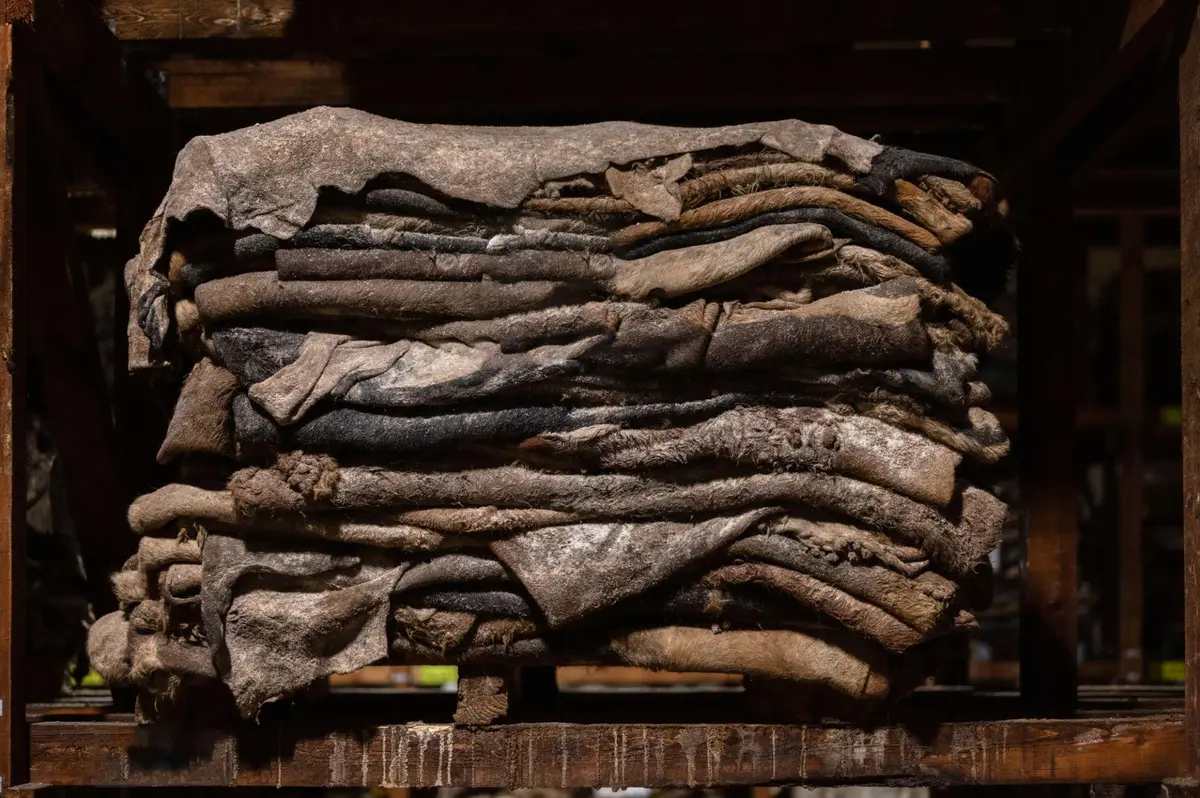
How Raw Cowhides Are Used in Gelatin Production
The global gelatin industry depends heavily on bovine raw materials, and cowhide is one of the most important sources. For industrial buyers, understanding how raw cow hides for gelatin move through processing stages helps with quality planning, compliance, and long-term sourcing strategy.
In modern facilities, hides are processed to extract collagen, which is then refined into gelatin for food, pharmaceutical, and cosmetic manufacturing.
What are raw bovine hides
Raw bovine hides are untreated skins collected after cattle processing. In the gelatin supply chain, these hides are selected and prepared as collagen-rich input material for downstream conversion.
Before collagen extraction begins, hides are typically:
- Sorted by quality and thickness
- Cleaned to remove dirt, hair, and residual tissue
- Cut into manageable pieces for controlled processing
The consistency of this first stage directly affects gelatin yield and final product quality.
Collagen content in cowhide
Cowhide contains a high concentration of structural collagen, especially in the dermal layer. This collagen is the core protein that can be hydrolyzed into gelatin during industrial treatment.
For buyers evaluating bovine hides gelatin production, key factors include:
- Hide age and fiber structure
- Storage and preservation conditions before processing
- Impurity levels and pre-treatment quality
Better preserved hides usually support cleaner extraction and more stable gelatin characteristics.
Industrial process of converting hides to gelatin
The industrial conversion path is designed to isolate collagen and transform it into purified gelatin with consistent functional properties.
Typical process flow:
- Pre-treatment: Hides are washed and conditioned using controlled acid or alkaline treatment to open collagen fibers.
- Collagen extraction: Treated hide material is heated in stages to release soluble collagen fractions.
- Filtration and purification: Extracted liquid is filtered to remove solids and unwanted residues.
- Concentration: The gelatin solution is concentrated under controlled conditions.
- Sterilization and drying: The material is sterilized, dried, and milled into powder or sheet form.
- Grading and packaging: Final gelatin is tested, graded, and packed by viscosity, bloom strength, and application requirements.
This is the core system behind collagen extraction from hides at industrial scale.
Applications in food and pharmaceutical industries
Bovine hide gelatin serves multiple functional roles across regulated and commercial product lines.
In food manufacturing, it is widely used for:
- Confectionery textures and chew structure
- Dairy and dessert stabilization
- Clarification and binding in select formulations
In pharmaceuticals, gelatin is used for:
- Hard and soft capsule shells
- Tablet coating systems
- Controlled delivery and excipient functions
Cosmetic applications also use bovine gelatin and collagen derivatives in masks, creams, and nutricosmetic formats.
Global demand for bovine hide gelatin
Demand for bovine gelatin remains strong due to broad industrial use and dependable functionality. Growth is supported by expansion in processed foods, capsule-based medicine, and beauty products.
For exporters and procurement teams, this means reliable access to raw cow hides for gelatin has strategic value. Supply partners with consistent hide grading, documentation, and processing discipline are better positioned to meet international buyer requirements.
Final take
From raw hide intake to purified gelatin output, the value chain is built on collagen quality and process control. As global demand rises, bovine hides gelatin production continues to be a critical segment linking livestock by-products to high-value food, pharmaceutical, and cosmetic industries.