Fresh Fruits and Vegetables Export Guide
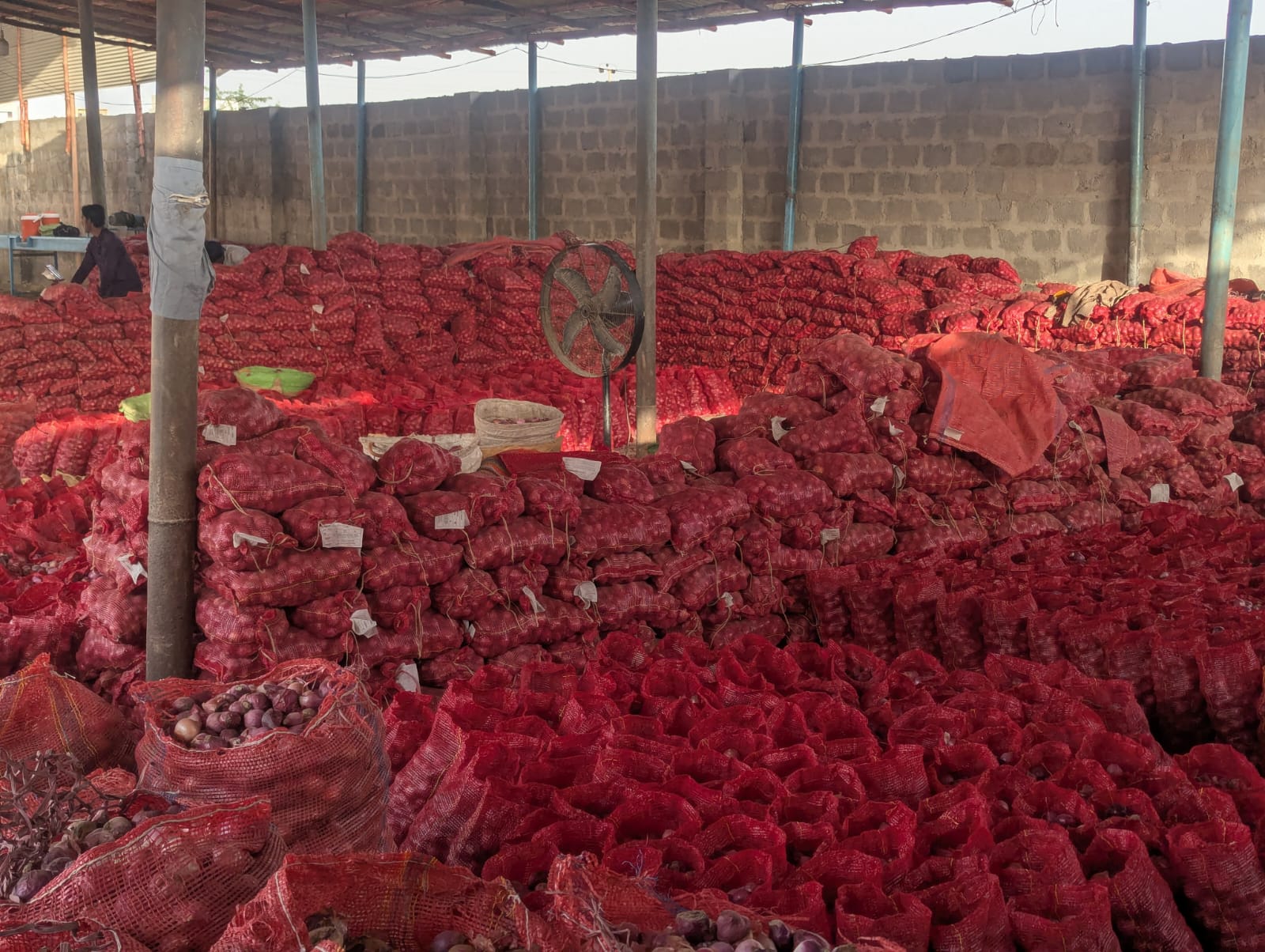
Fresh produce export is a speed-and-discipline business. Product quality can decline quickly if temperature management and handling standards are not controlled from farm to port.
Cold chain starts before shipping
Many quality losses begin at pre-cooling and packhouse stages, not during transit. Strong exporters build a process that includes:
- Harvest timing based on maturity index
- Rapid pre-cooling after harvest
- Sorting and grading at packhouse level
- Temperature-stable storage before loading
The goal is to protect shelf life before the cargo enters the container.
Packing choices affect arrival quality
Correct packaging reduces bruising, dehydration, and transit loss. Importers should align pack design with destination handling conditions:
- Ventilated cartons for airflow
- Moisture-resistant materials for sea route durability
- Standardized pallet stacking for safer loading
- Clear labeling for traceability and fast warehouse processing
Product-specific handling matters
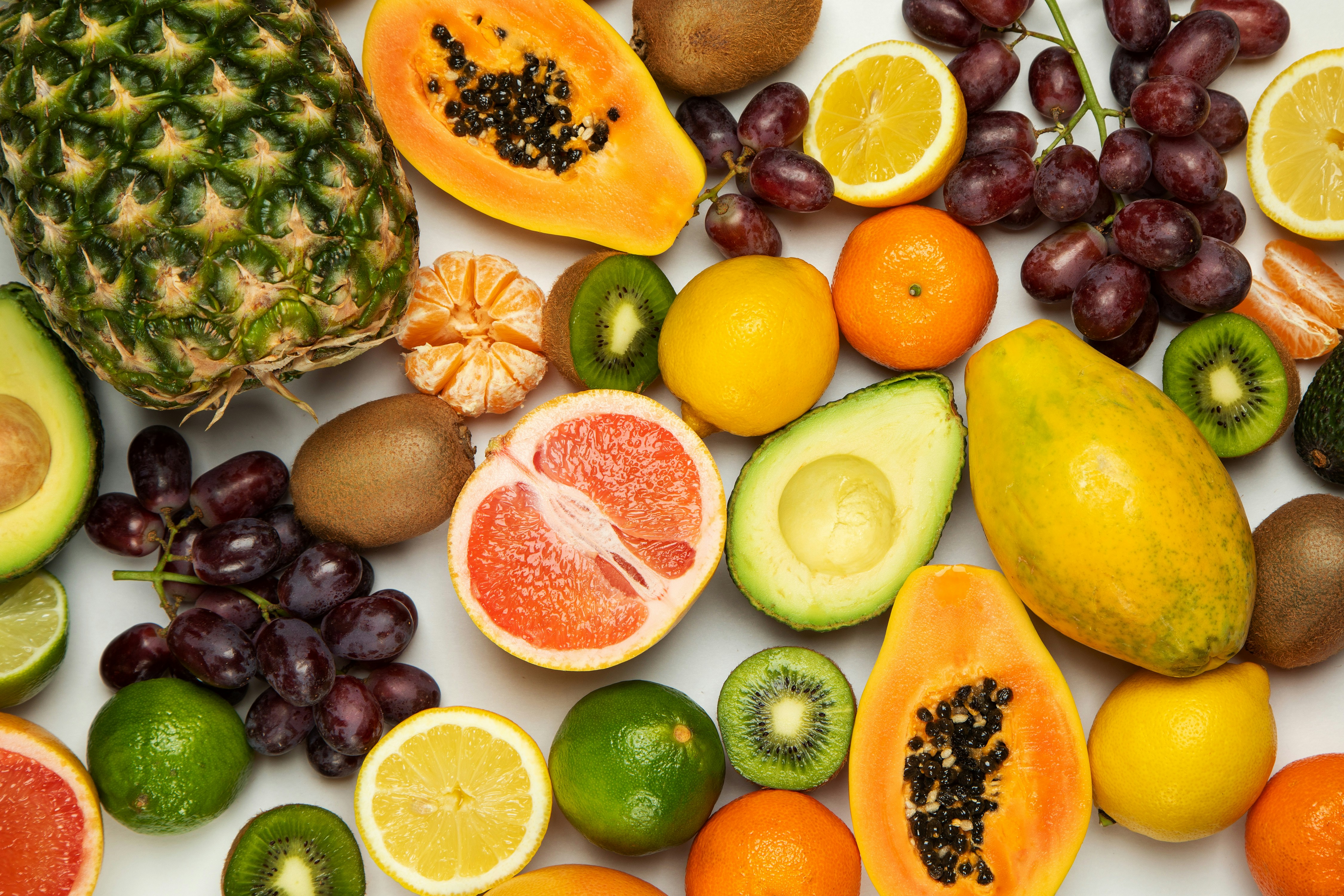
Fresh categories behave differently in transit. For example:
- Mangoes may require careful ripening-stage planning
- Citrus lines need firmness and peel integrity checks
- Leafy vegetables need strict temperature discipline and quick turnover
A single temperature profile for all produce is rarely effective.
QC checkpoints importers should request
To improve claim prevention, ask suppliers for:
- Pre-shipment quality reports with grading details.
- Temperature logs where available.
- Photos of pallet build and container loading.
- Lot-level identification for trace-back support.
This gives importers better visibility before vessel departure.
Documentation and compliance
Fresh produce trade often requires complete document control:
- Commercial invoice and packing list
- Phytosanitary and origin documentation
- Label compliance for destination retail laws
- Residue and quality references when requested by buyers
Incomplete documentation can delay clearance even when product quality is good.
Planning for seasonality
Seasonal peaks create both opportunity and risk. Buyers can improve consistency by:
- Booking programs in advance
- Splitting volume across staged shipments
- Building backup SKUs for supply interruptions
- Matching promotions with realistic harvest windows
Program-based planning generally performs better than purely spot procurement.
Final take
Fresh fruits and vegetables export success depends on controlled handling, not only farm output. Buyers that prioritize cold chain discipline, packaging fit, and transparent QC communication can achieve stronger arrival quality and better inventory sell-through.