Pakistan Leather Products Export Guide
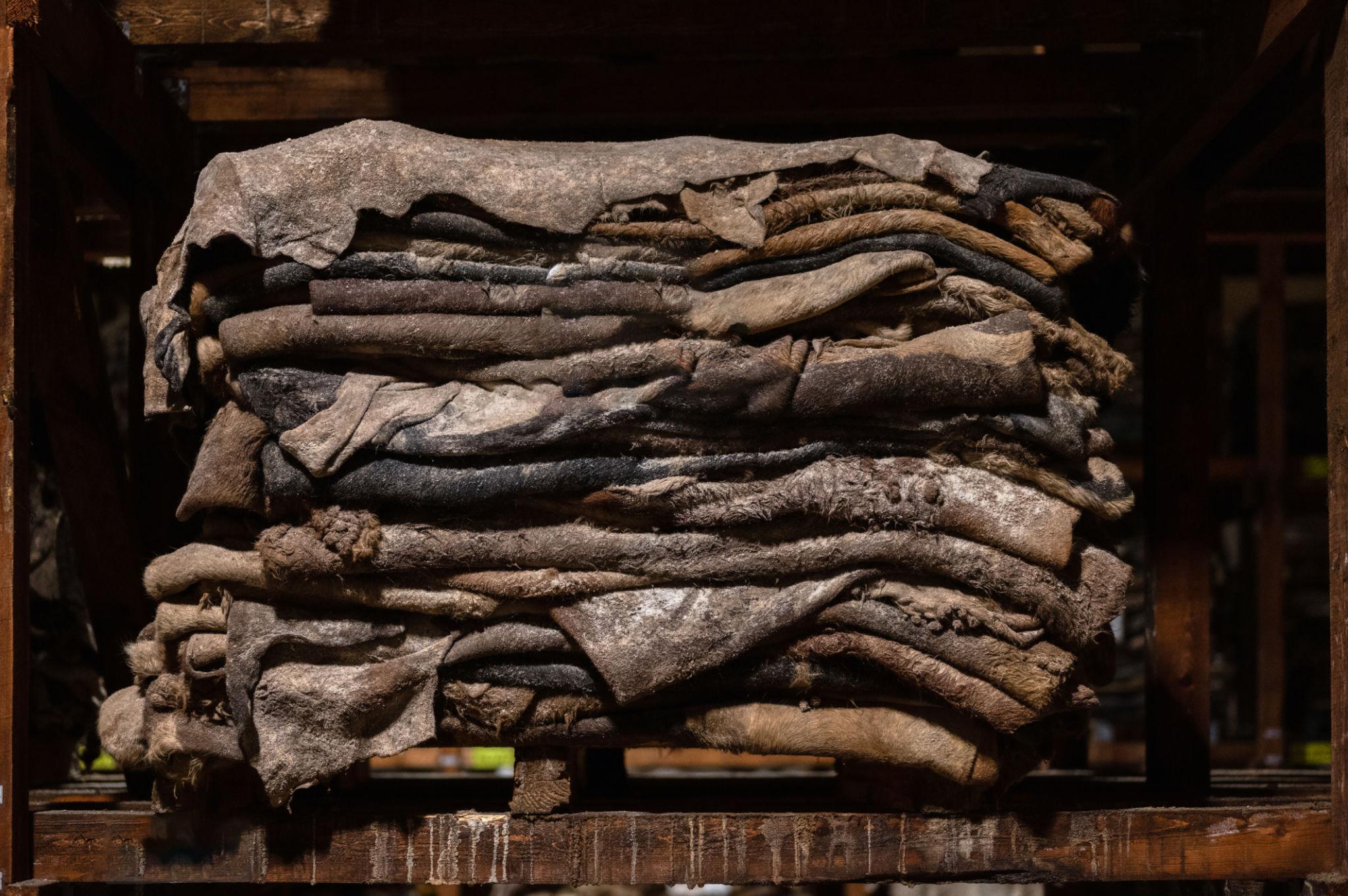
Pakistan is a recognized sourcing hub for leather garments and accessories, especially for buyers who need competitive pricing with customization flexibility. Strong tanning and stitching ecosystems support OEM and private label growth across many markets.
Product categories with steady export demand
Global buyers commonly source:
- Genuine leather jackets and outerwear
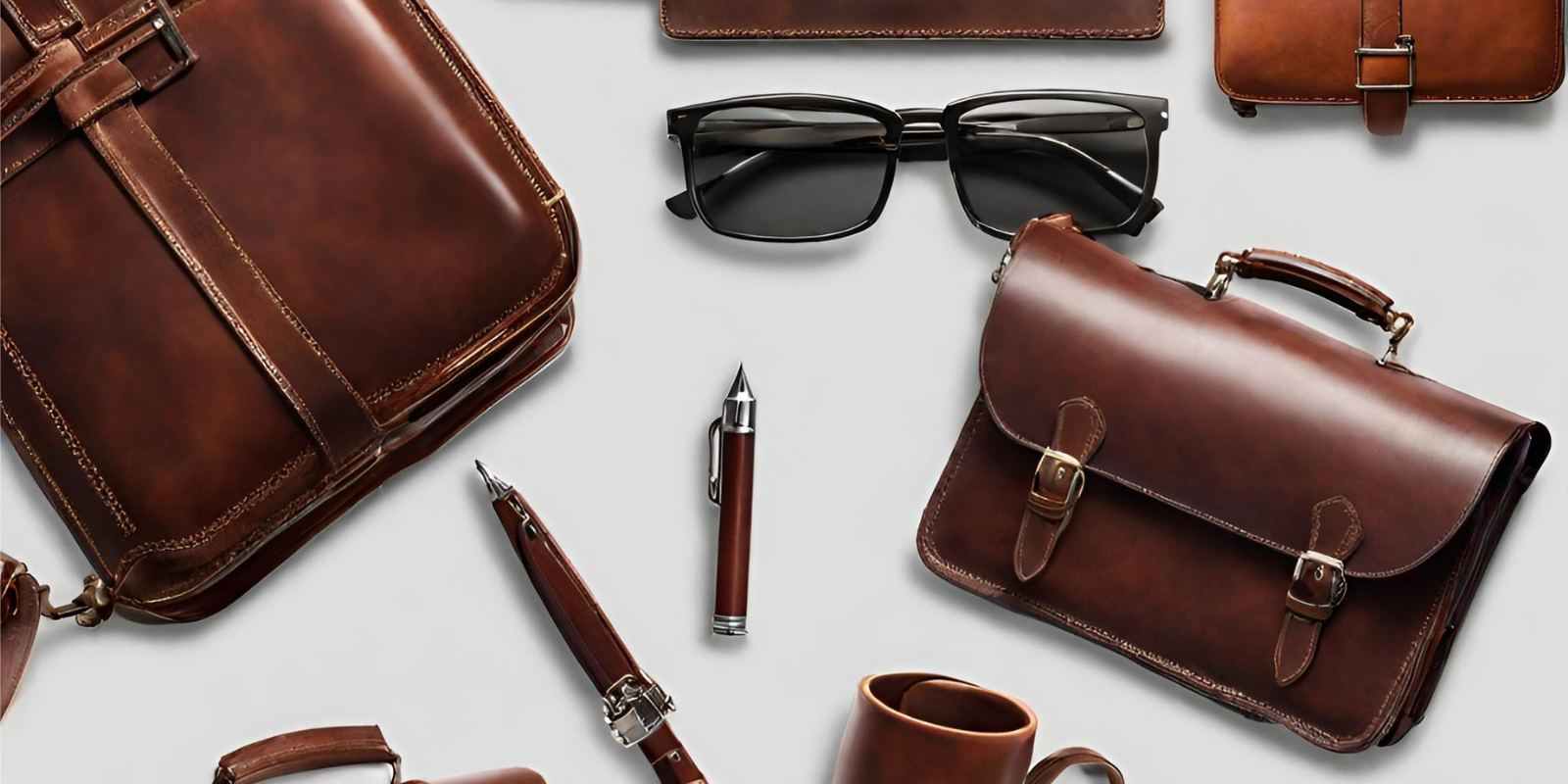
- Handbags, backpacks, and travel bags
- Wallets, belts, and small accessories
- Workwear and utility leather items
Each segment has different spec priorities, so clear sampling stages are essential before full production.
OEM readiness checklist for buyers
Before approving a supplier, confirm these points:
- Material clarity: full-grain, top-grain, split, or corrected leather.
- Lining and hardware specs: zippers, buckles, rivets, and plating quality.
- Size grading matrix and tolerances.
- Stitch density and reinforcement areas.
- Carton drop test and barcode label requirements.
Detailed tech packs reduce misunderstandings and keep repeat orders consistent.
Quality control stages that reduce claims
Leather product issues are expensive once shipped, so QC must be layered:
- Pre-production review of approved sample and measurements
- In-line inspection during cutting and stitching
- Final random inspection before packing
- Metal detection or safety checks where required by destination policy
A documented QC routine protects both importer margin and brand reputation.
Compliance and market expectations
Different markets apply different chemical and labeling expectations. Buyers should define destination-specific requirements at PO stage and verify material inputs accordingly.
In addition, durable packaging and moisture-protection are critical for long transit routes.
Private label opportunities
For online and D2C brands, Pakistan offers strong private label potential through:
- Embossed logos and custom trims
- Branded labels and hangtags
- Custom colorways by season
- Capsule MOQ planning for test launches
This allows emerging brands to launch without building their own factory setup.
Freight and production timing
Leather programs often require more coordination than commodity products. Procurement teams should include:
- Sampling lead time
- Material procurement window
- Bulk production buffer
- Inspection and dispatch planning
Rushed timelines usually increase defect risk and air-shipment costs.
Final take
Pakistan leather exports can deliver strong value when buyers treat sourcing as a technical process, not only a price comparison. Clear specifications, staged quality control, and realistic timelines are the foundation of profitable long-term OEM partnerships.