Health Benefits of Himalayan Pink Salt
Himalayan pink salt is one of the most recognized value-added salt categories in global retail. For importers and private label buyers, the topic of health benefits is important because end consumers actively compare pink salt with regular table salt before purchasing.
Why pink salt is pink
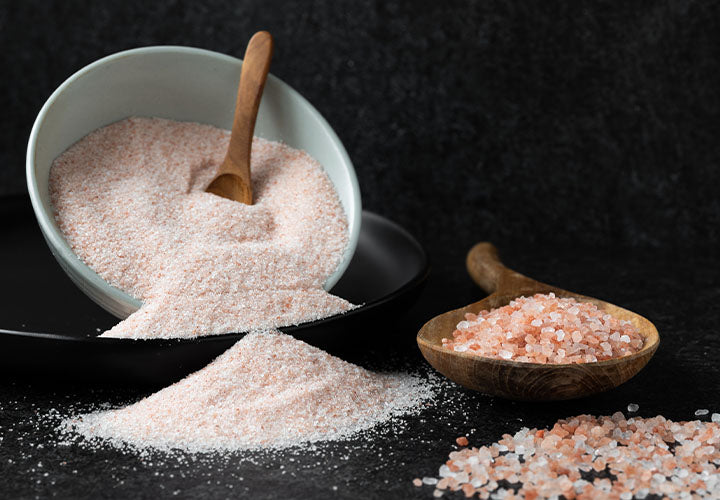
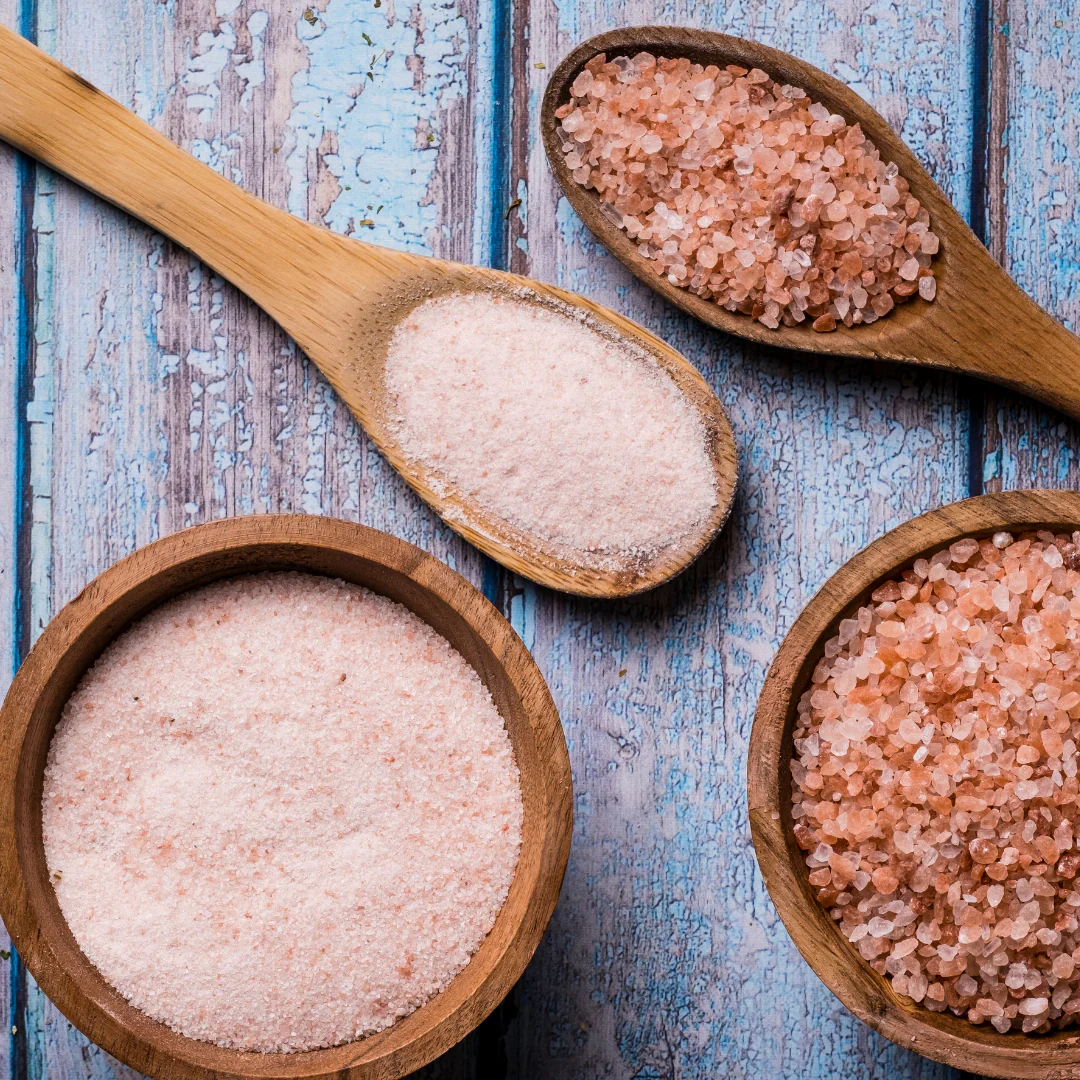
The pink color comes from naturally occurring trace minerals present in rock salt deposits. These include minerals such as iron, calcium, magnesium, and potassium in small quantities. The visual identity itself has become a major selling point for premium food shelves.
Mineral profile and consumer perception
From a nutritional marketing angle, buyers usually position pink salt around three themes:
- Natural source from ancient salt deposits
- Less processed than highly refined table salt
- Contains trace minerals that contribute to color and taste complexity
It is important to keep claims realistic. Pink salt is still salt, and sodium intake should be managed according to dietary guidance.
Common health-focused positioning angles
For B2B content, packaging, and ecommerce listings, these angles usually perform well:
- Balanced flavor profile that may reduce over-seasoning in some recipes
- Clean-label appeal for natural food lines
- Gourmet usage in home cooking, grilling, and finishing dishes
- Preference by premium restaurants and specialty stores for presentation
Safe usage guidance for consumers
Whether the salt is pink or white, excessive sodium consumption is not recommended. Good educational content for your product pages should include:
- Suggested daily moderation language
- A note that pink salt is not a medicine
- Clear ingredient labeling and grain size guidance
- Storage instructions to keep the product dry and free-flowing
This improves trust and reduces misleading expectations.
Formats that perform well in export markets
Himalayan salt can be supplied in multiple commercial formats:
- Fine table salt for daily household use
- Coarse grain for grinders and culinary finishing
- Crystal chunks and slabs for specialty cooking
- Bulk sacks for repackers and industrial food processors
Matching grain size to buyer segment is a major driver of repeat orders.
How to build SEO content around health intent
If your objective is organic traffic, combine product SEO with responsible health framing:
- Use buyer-intent keywords such as "food grade Himalayan pink salt exporter" and "private label pink salt".
- Add educational sections that answer "Is pink salt better than table salt?" in balanced language.
- Include quality proof points like testing, certifications, and packaging controls.
- Keep medical claims out unless backed by regulatory-approved wording.
Final take
Himalayan pink salt is best positioned as a premium natural seasoning product with trace minerals and strong visual appeal. For exporters, the winning strategy is simple: deliver consistent quality, clear labeling, and factual health communication that supports long-term brand trust.