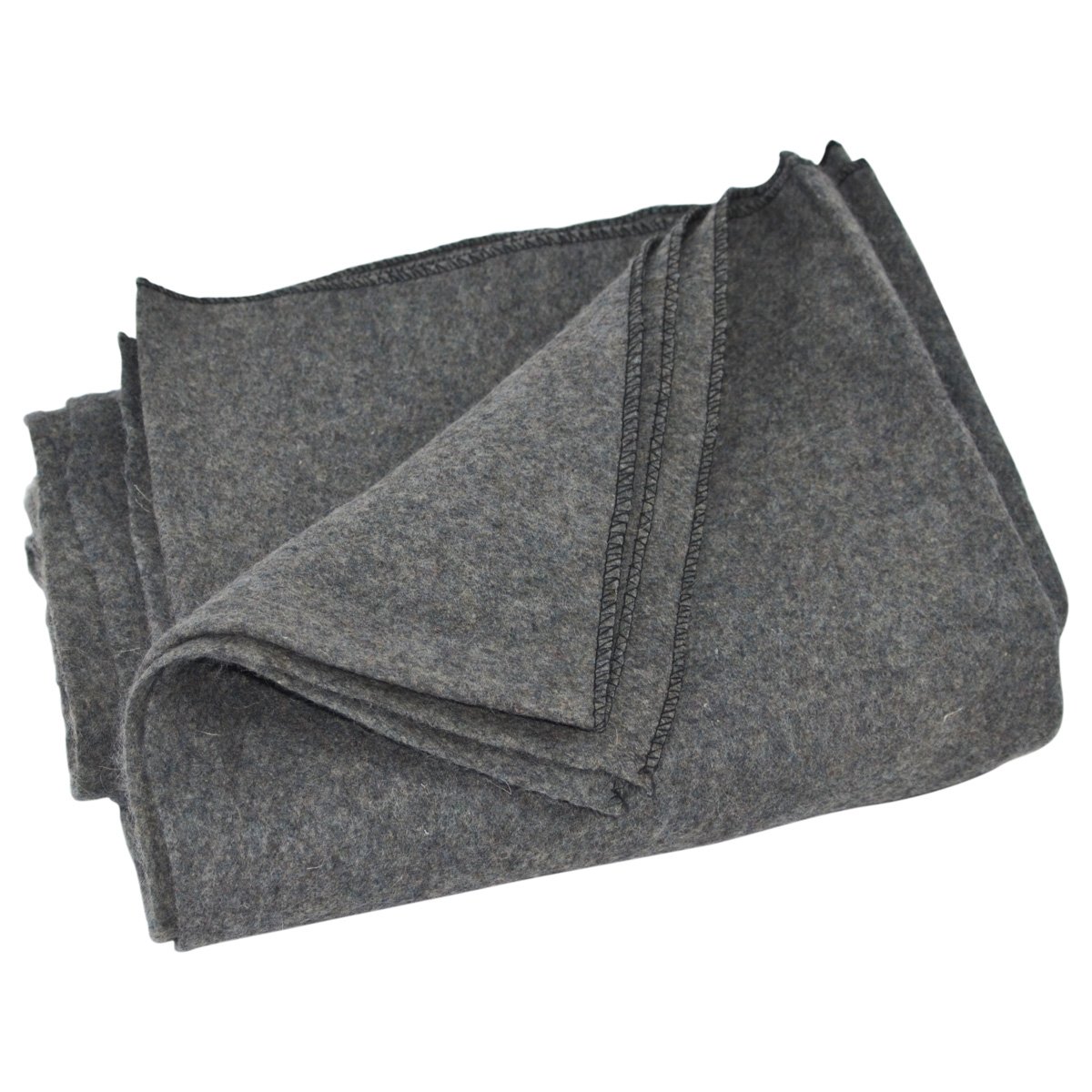
Military Wool Disaster Blankets: Why Governments Prefer Wool for Emergency Relief
When disasters displace families or force rapid troop movement in harsh weather, shelter systems need reliable thermal protection. This is why the military wool blanket remains a core item in civil defense warehouses, military logistics units, and humanitarian emergency kits.
A quality disaster relief blanket is not just a textile purchase. It is a field-performance decision that affects survivor safety, cold exposure risk, and operational readiness.
What is a military wool disaster blanket?
A military wool disaster blanket is a heavy-duty blanket designed for emergency use where warmth, durability, and repeated handling are expected. These blankets are commonly specified with:
- Wool-rich or wool-blend fabric for high insulation
- Dense weave structure to reduce heat loss
- Reinforced edges for longer service life
- Practical, non-reflective colors for field deployment
Unlike light household blankets, military-grade versions are designed for stockpiling, transport, and rapid issue in crisis environments.
Why wool performs better than synthetic fabrics
Governments and response agencies often compare wool against low-cost synthetic alternatives. In real emergency conditions, wool usually provides stronger all-around performance.
Key reasons include:
- Wool insulates effectively, even when exposed to moisture or humidity
- Wool breathes better, helping reduce condensation and discomfort in shelters
- Wool is more stable near heat sources than many melt-prone synthetics
- Wool blankets often hold structure and warmth longer under repeated use
For field teams, this performance gap matters most during prolonged cold nights and limited replacement cycles.
Fire resistance, insulation, and durability
Fire resistance in high-risk environments
Emergency shelters frequently use portable heaters, cook units, and temporary power sources. Wool fibers naturally resist ignition better than many synthetic fibers and tend to char rather than melt. This behavior can reduce secondary injury risk in crowded emergency spaces.
Insulation for cold-weather survival
Wool fibers trap air pockets that retain body heat. In mountain zones, winter flood displacement camps, and high-altitude operations, this insulation helps maintain safer body temperature through the night.
For planners, this is why the emergency wool blanket supplier category is often prioritized in cold-climate tenders.
Durability under repeated handling
A reliable disaster relief blanket may be packed, moved, distributed, reused, and stored again in short cycles. Wool blends with proper stitching and edge finishing generally provide stronger lifespan value than thin synthetic options that flatten or tear early.
Use in cold weather emergency shelters
Cold-weather shelters need fast, scalable, and simple warming solutions. Military wool blankets are used for:
- Immediate personal warmth after evacuation
- Layering over sleeping mats in temporary camps
- Additional insulation for children and elderly populations
- Backup stock for sudden weather shifts
In many response systems, blankets are one of the first non-food items distributed because they provide immediate physical protection.
Role in humanitarian relief missions
Humanitarian logistics teams, NGOs, and public agencies rely on blanket stocks for refugee camps, conflict displacement, and disaster recovery phases. A dependable military wool blanket program supports:
- Pre-positioned emergency inventory in regional warehouses
- Faster first-wave distribution after a crisis event
- Better comfort and safety outcomes in temporary housing
- More predictable procurement cycles for annual framework contracts
For these reasons, procurement teams often evaluate thermal performance, fire behavior, and durability before selecting an emergency wool blanket supplier.
Final take
Governments prefer wool in emergency relief because it performs where conditions are unpredictable. A high-quality military wool blanket delivers practical insulation, safer fire behavior, and longer field life, making it a dependable choice for military bases, refugee operations, and humanitarian deployments.
If your organization is planning winter preparedness or disaster stockpiles, selecting the right disaster relief blanket specification can improve both response speed and on-ground safety.