Wool Disaster Blankets Procurement Guide
Relief operations require products that perform under stress, not just products that look good on paper. Wool disaster blankets are widely used in emergency response because they combine warmth, durability, and transport efficiency.
Core technical specs to define before tender
For emergency blanket procurement, your specification sheet should clearly define:
- Fabric composition (wool blend ratio)
- GSM or weight per blanket
- Size and tolerance range
- Thermal retention expectations
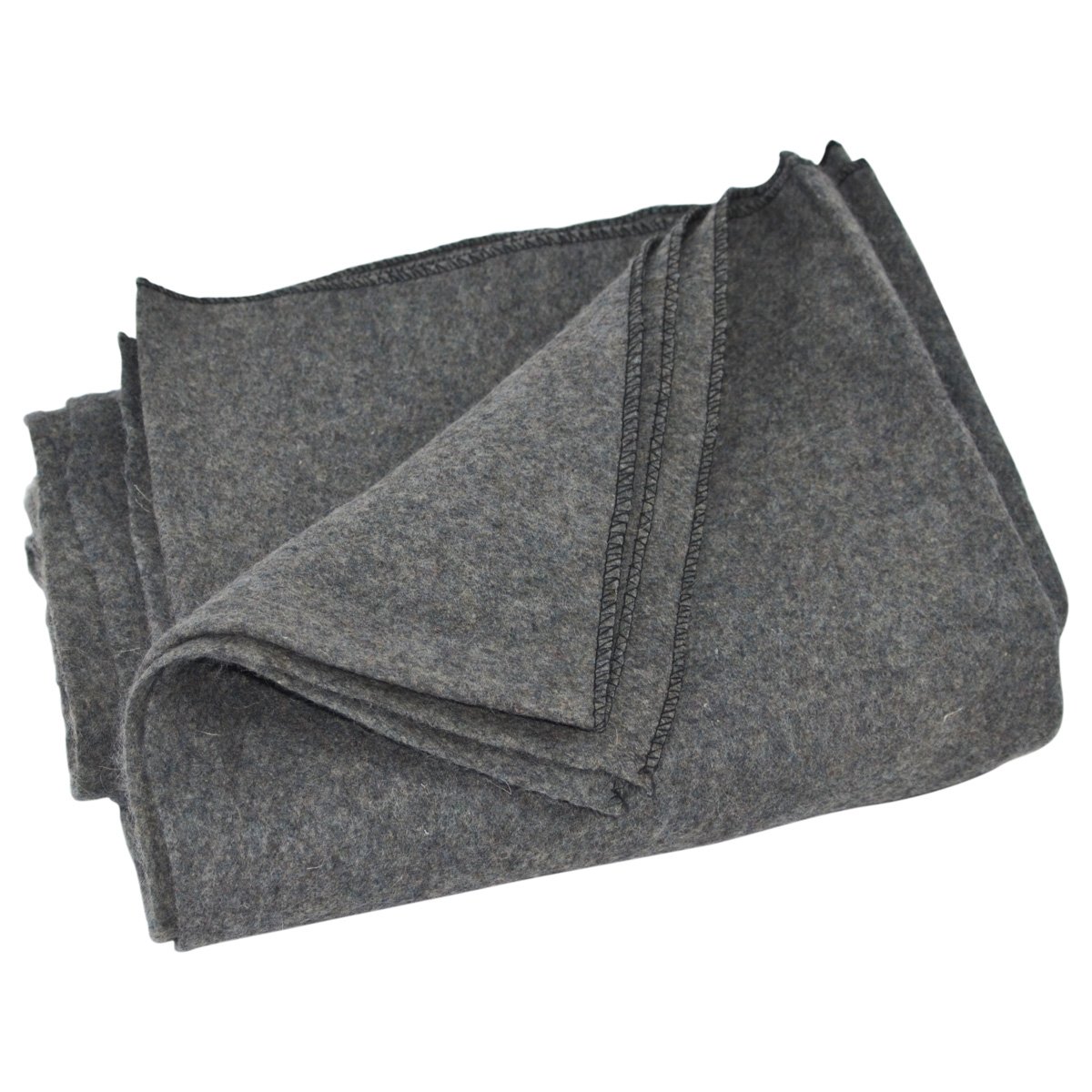
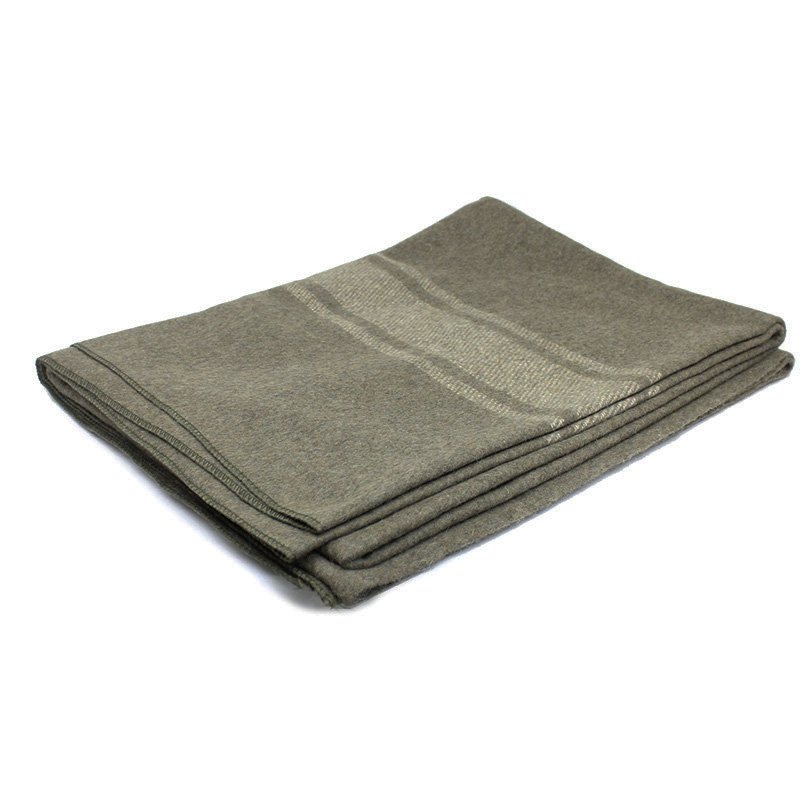
- Color, edge finish, and labeling requirements
Unclear specs often lead to shipment disputes and delayed field deployment.
Why blend composition matters
Wool-rich blends support insulation performance, while mixed fibers can improve durability and cost control. Procurement teams should match composition with mission environment:
- Cold-weather camps need stronger insulation
- Transit stock may prioritize compact volume and lower per-unit weight
- High-turn inventory benefits from durable weave and seam finishing
Packaging strategy for rapid deployment
Humanitarian logistics teams usually require packaging that supports quick distribution. Best practices include:
- Bale or compressed pack options for container efficiency
- Palletization planning for warehouse handling
- Moisture protection for sea transit
- Clear outer labeling by lot and quantity
When packaging is designed for field operations, response time improves.
Quality assurance checkpoints
To reduce risk in large aid orders, use staged inspection:
- Pre-shipment visual and dimensional checks.
- Weight and composition verification by batch.
- Random pull tests for stitch and edge durability.
- Packing list reconciliation before dispatch.
This process helps procurement teams maintain accountability across large-volume tenders.
Documentation for institutional buyers
Relief programs usually require complete and audit-friendly documentation. Typical paperwork includes:
- Commercial invoice and packing list
- Certificate of origin
- Product specification and test references (where required)
- Batch identification aligned with shipment labels
A supplier with reliable documentation reduces operational friction for NGOs and aid contractors.
Long-term framework contracts
Many aid buyers run annual framework agreements. To improve continuity:
- Define surge capacity for emergency call-offs
- Set target lead times by shipment size
- Agree QC checkpoints in contract terms
- Build backup production windows for seasonal spikes
Framework planning helps avoid last-minute sourcing pressure during crises.
Final take
Wool disaster blanket procurement is a mission-critical supply function. Buyers that define technical specs clearly, audit quality consistently, and align logistics planning with field realities can deliver faster and more reliable humanitarian response outcomes.