Global food commodity markets entered October 2026 with renewed price pressure, particularly across cereals, wheat, rice and vegetable oils. For importers, wholesalers and food distributors, the latest movement is a reminder that procurement decisions are increasingly shaped by logistics, weather and freight as well as the headline commodity price.
FAO's September 2026 index moved higher
The Food and Agriculture Organization of the United Nations reported that its Food Price Index averaged 136.0 points in September 2026, up 1.5% from August and 5.8% from a year earlier. The FAO Cereal Price Index rose even faster, increasing 5.1% month on month.
FAO said world wheat prices increased 6.3% in September, reaching their highest level since August 2023. The organization linked the increase largely to logistical constraints in the Black Sea region and also noted dry weather concerns in parts of North America. Global maize quotations also moved higher.
The FAO All Rice Price Index increased 1.4% in September 2026, with Indica quotations supported by weather concerns and seasonally tighter supplies.
What this means for international buyers
A rising market does not automatically mean every origin will move at the same pace. It does, however, make supply planning more important. Buyers should compare origin, specification, availability, freight and shipment timing together rather than focusing only on a single FOB number.
For buyers considering Pakistan, the current environment is relevant across products such as Basmati and other rice varieties, wheat and grains, sesame seeds, fresh fruits and vegetables and other agricultural commodities.
Rice buyers should lock the specification first
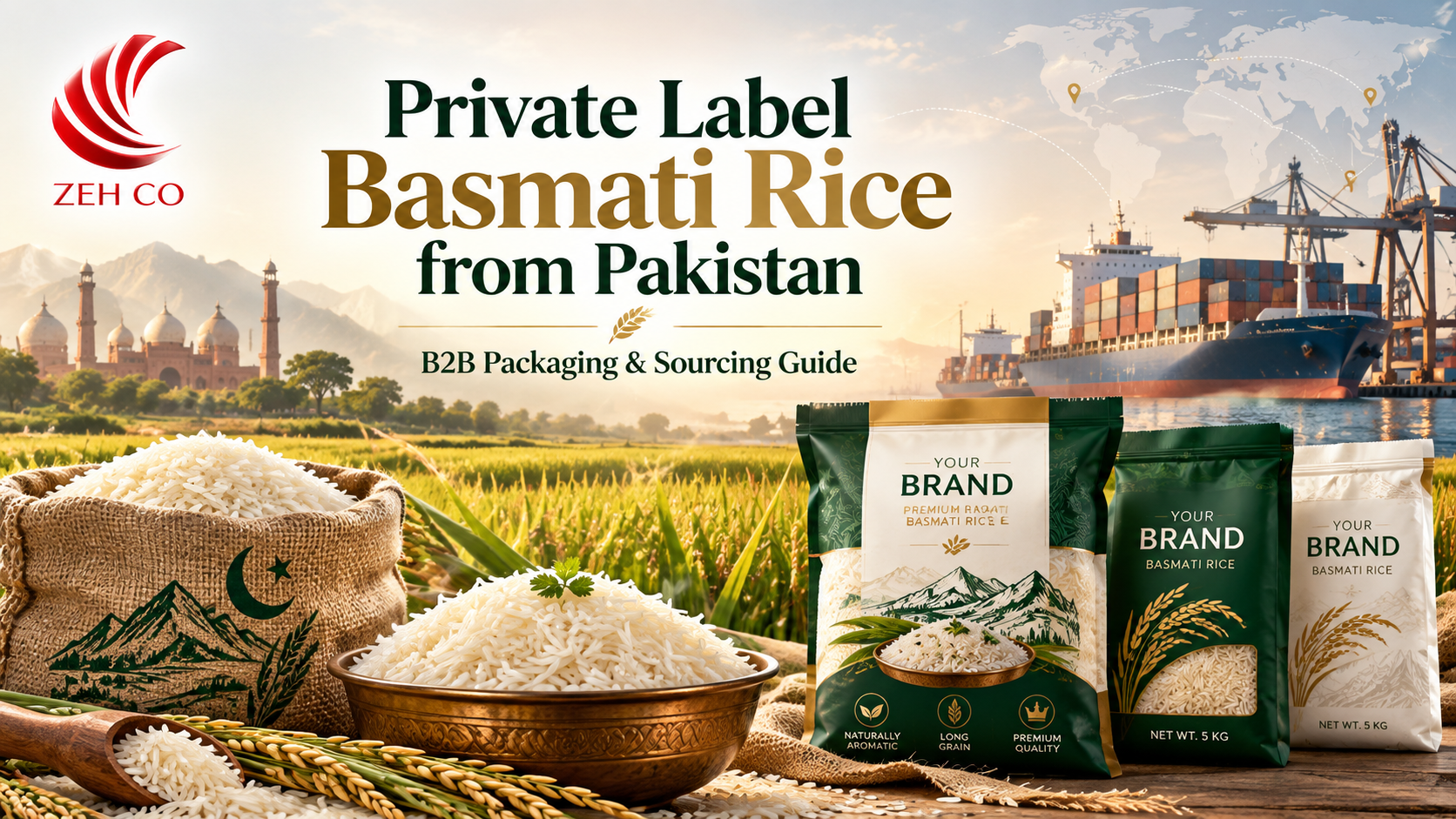
Rice quotations can vary materially depending on variety, broken percentage, crop year, grain length, moisture, polishing, sortex requirements, packing and inspection. A 5 kg private-label retail pack and a 25 kg or 50 kg bulk bag are different commercial products even when the underlying rice origin is the same.
Before comparing offers, an importer should define the exact variety, packing, quantity, destination port and preferred Incoterm. This makes FOB Karachi, CIF and other offers easier to compare on a like-for-like basis.
Wheat and grain procurement needs the same discipline
For wheat and other grains, buyers should agree measurable quality parameters before contract confirmation. These may include moisture, foreign matter, test weight, crop characteristics, packing and destination-specific inspection or phytosanitary requirements.
In periods of market volatility, unclear specifications can create more commercial risk because replacement supply may become more expensive by the time a disagreement is discovered.
Freight is increasingly part of the commodity decision
FAO's September update highlighted transportation disruption as one factor behind higher commodity quotations. This matters because a buyer's real cost is the landed cost, not merely the product value at origin.
A useful procurement comparison therefore includes the FOB product price, freight, insurance where applicable, destination charges, duty, customs clearance, inland transport and the validity period of the quotation.
Why origin diversification matters
When weather, port congestion or regional trade disruption affects one supply route, buyers often look to alternative origins. FAO specifically noted that Black Sea logistical constraints encouraged some importers to shift toward alternative sources for wheat.
For procurement teams, maintaining qualified suppliers in more than one origin can reduce dependence on a single route. Pakistan can form part of that sourcing strategy for rice, grains and a wider basket of agricultural products when specifications, documentation and shipment planning are handled properly.
How ZEH Co International supports B2B buyers
ZEH Co International supports international buyers sourcing Pakistani food and agricultural products. Commercial discussions can be structured around product specification, quantity, packing, destination port and Incoterm so that the quotation reflects the buyer's actual requirement.
For current rice, wheat, grains, sesame or fresh-produce requirements, buyers should request a fresh quotation because commodity prices, freight and availability can change quickly.
Sources
Market figures in this article are based on the FAO Food Price Index release dated 2 October 2026: FAO Food Price Index.
Commercial note: Market conditions change frequently. Final prices, shipment schedules and destination requirements should be reconfirmed before contract execution.