Pakistan trousers manufacturing is becoming an attractive sourcing option for international apparel brands, wholesalers, retailers, and private label buyers. Pakistan has an established textile supply chain, skilled garment workers, cotton production, fabric processing facilities, and export experience across major global markets. Buyers can source casual trousers, workwear, sports trousers, cargo pants, joggers, uniforms, and fashion bottoms through OEM and private label production.
For a successful order, buyers should evaluate more than the unit price. Fabric performance, pattern accuracy, stitching quality, sizing consistency, branding, packaging, production capacity, and export documentation all influence the final result. This guide explains how to source trousers from Pakistan with a reliable manufacturing and quality-control process.
Why Choose Pakistan Trousers Manufacturing?
Pakistan offers a competitive combination of raw material availability, manufacturing skills, and export pricing. The country is known for cotton, denim, knitted fabrics, fleece, canvas, twill, and blended materials used in different types of trousers. Local manufacturers can support both basic wholesale styles and detailed private label collections.
- Competitive production costs: Buyers can benefit from efficient labor and locally available textile materials.
- Flexible product development: Manufacturers can produce trousers according to buyer-provided designs, tech packs, samples, or reference products.
- Wide fabric selection: Cotton, polyester, denim, fleece, ripstop, twill, canvas, and stretch blends are available.
- OEM and private label support: Production can include custom labels, hangtags, packaging, embroidery, printing, and branded accessories.
- Export-ready production: Experienced suppliers can prepare commercial invoices, packing lists, certificates, and shipment documentation.
Types of Trousers Available for OEM Production
Casual and Fashion Trousers
Casual trousers may include cotton chinos, straight-leg trousers, tapered pants, linen-blend trousers, and relaxed-fit styles. Brands can customize the waistband, pocket construction, stitching, trims, wash effects, and fit according to their target market.
Cargo and Utility Trousers
Cargo trousers are widely used for outdoor clothing, streetwear, workwear, and tactical-inspired fashion. Buyers can select multiple pocket configurations, reinforced seams, durable fabric, adjustable hems, webbing details, and metal or plastic hardware.
Joggers and Sweatpants
Joggers and sweatpants are commonly manufactured from fleece, French terry, cotton jersey, or polyester blends. Key specifications include fabric weight, waistband elasticity, drawcord quality, cuff construction, pocket depth, and resistance to pilling after washing.
Workwear and Uniform Trousers
Workwear trousers require durability, comfort, and consistent sizing. Suitable fabrics may include cotton twill, polyester-cotton blends, canvas, and ripstop. Buyers can request reinforced knees, tool pockets, reflective tape, belt loops, high-visibility panels, and embroidery for company uniforms.
Sports and Training Trousers
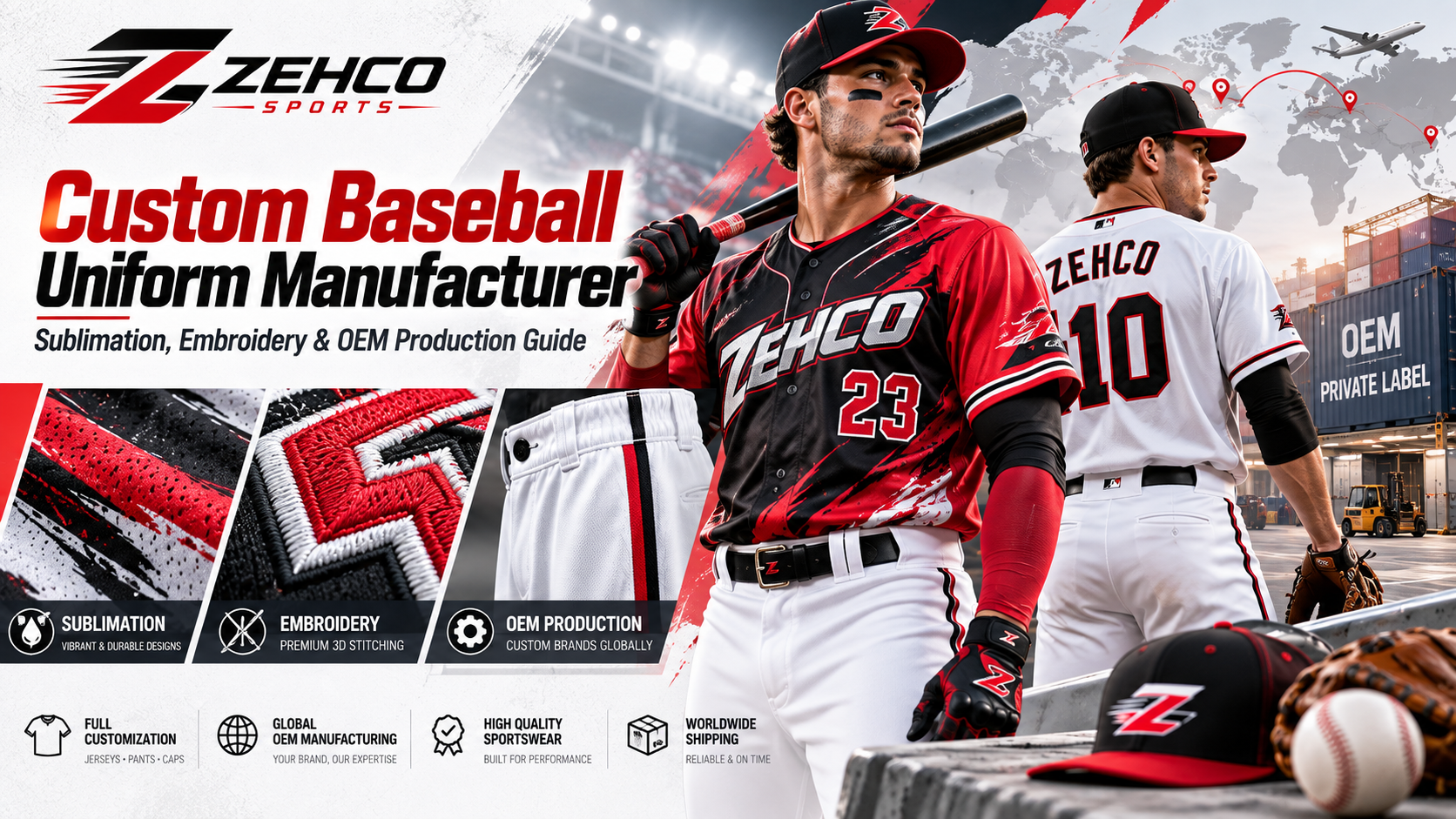
Sports trousers can be designed for football, fitness, running, training, martial arts, or teamwear. Lightweight polyester, interlock, mesh, and stretch fabrics help provide comfort and mobility. Custom sublimation, heat transfer, screen printing, and embroidery can be added to complete the team or brand identity.
Fabrics Used in Pakistan Trousers Manufacturing
Fabric selection should be based on the intended use, climate, price point, and washing requirements. Cotton trousers are comfortable and breathable, making them suitable for casualwear and uniforms. Polyester blends provide improved durability, shape retention, and faster drying. Denim is suitable for jeans and structured fashion trousers, while fleece and French terry are preferred for winter joggers.
For outdoor and workwear applications, buyers may consider twill, canvas, or ripstop fabrics. Stretch materials containing elastane can improve comfort, especially in slim-fit trousers, activewear, and travel garments. Before bulk production, buyers should confirm fabric composition, GSM, colorfastness, shrinkage, pilling resistance, and wash-care requirements.
Customization and Private Label Options
International buyers can develop trousers according to their own brand identity. A professional manufacturer should be able to work from sketches, measurement charts, tech packs, physical samples, or product images. The development process normally includes pattern creation, fabric selection, sample production, fitting corrections, and approval before bulk manufacturing.
- Woven neck or waistband labels
- Printed care and composition labels
- Custom hangtags and barcode stickers
- Embroidery, screen printing, heat transfer, and sublimation
- Custom buttons, rivets, zippers, snaps, drawcords, and patches
- Individual polybags, size stickers, cartons, and branded packaging
- Custom colors based on Pantone references or approved samples
Buyers should provide complete branding instructions before sampling. This reduces errors and helps the factory calculate accurate costs for trims, printing, packaging, and finishing.
Important Technical Specifications for Buyers
A detailed specification sheet helps prevent misunderstandings between the buyer and manufacturer. It should include the garment type, fabric composition, fabric weight, color, measurements, tolerance, stitching details, pocket dimensions, waistband design, closure type, labels, packaging, and expected delivery date.
Size grading is particularly important for trousers because small measurement differences can affect comfort and appearance. The buyer should approve a measurement chart covering waist, hip, thigh, rise, inseam, outseam, knee, leg opening, and waistband width. Pre-production samples should be tested for fit before bulk cutting begins.
Quality Control in Pakistan Trousers Manufacturing
Quality control should take place at several stages rather than only after production is complete. Incoming fabric inspection can identify shade variation, weaving defects, incorrect GSM, and shrinkage problems. During cutting, the factory should check pattern alignment, panel numbering, and fabric utilization.
During sewing, inspectors should review seam strength, stitch density, thread trimming, pocket alignment, zipper operation, waistband construction, and label placement. Finished trousers should be measured against the approved size chart. Buyers may also request inspections for loose threads, stains, needle damage, color variation, incorrect accessories, and packaging errors.
Pre-Shipment Inspection
A final inspection may be arranged before shipment using an agreed sampling standard. The inspection report should record the quantity checked, defects identified, measurements, packaging condition, carton markings, and overall pass or fail result. Clear acceptance criteria protect both the buyer and supplier.
MOQ, Sampling, and Production Lead Time
Minimum order quantity depends on the design, fabric, color, trims, and production schedule. Basic styles may be easier to produce in smaller quantities, while custom fabrics, special dyes, printed panels, and complex trims may require higher minimums. Buyers should ask for MOQ per style, color, and size range before approving the quotation.
Sampling allows buyers to evaluate construction, fabric, fit, branding, and finishing. A typical process may include an initial sample, fit sample, size-set sample, and pre-production sample. Production lead time depends on order volume, material availability, sampling changes, and packaging requirements. Early approval of artwork and specifications helps prevent delays.
Shipping Trousers from Pakistan
ZEH Co can support international buyers with export arrangements under suitable commercial terms, including FOB Karachi, CIF, and DDP where available. The best shipping method depends on order volume, destination, urgency, and landed-cost requirements. Sea freight is generally suitable for larger wholesale orders, while air freight may be used for samples or urgent replenishment.
Export documentation may include a commercial invoice, packing list, certificate of origin, shipping documents, and any destination-specific paperwork requested by the buyer. Carton dimensions, gross weight, net weight, HS code, country-of-origin marking, and labeling requirements should be confirmed before dispatch.
How to Select a Reliable Trousers Supplier in Pakistan
When comparing suppliers, buyers should review factory capabilities, product specialization, sample quality, communication, production capacity, quality systems, and previous export experience. Request clear quotations that separate fabric, trims, branding, packaging, sampling, and shipping costs.
It is also useful to confirm whether the supplier manages production directly or outsources major stages. A reliable partner should communicate openly about MOQ, lead times, material availability, quality standards, payment terms, and possible production limitations. Buyers should begin with approved samples and a controlled trial order before expanding to repeat bulk production.
Partner with ZEH Co for Pakistan Trousers Manufacturing
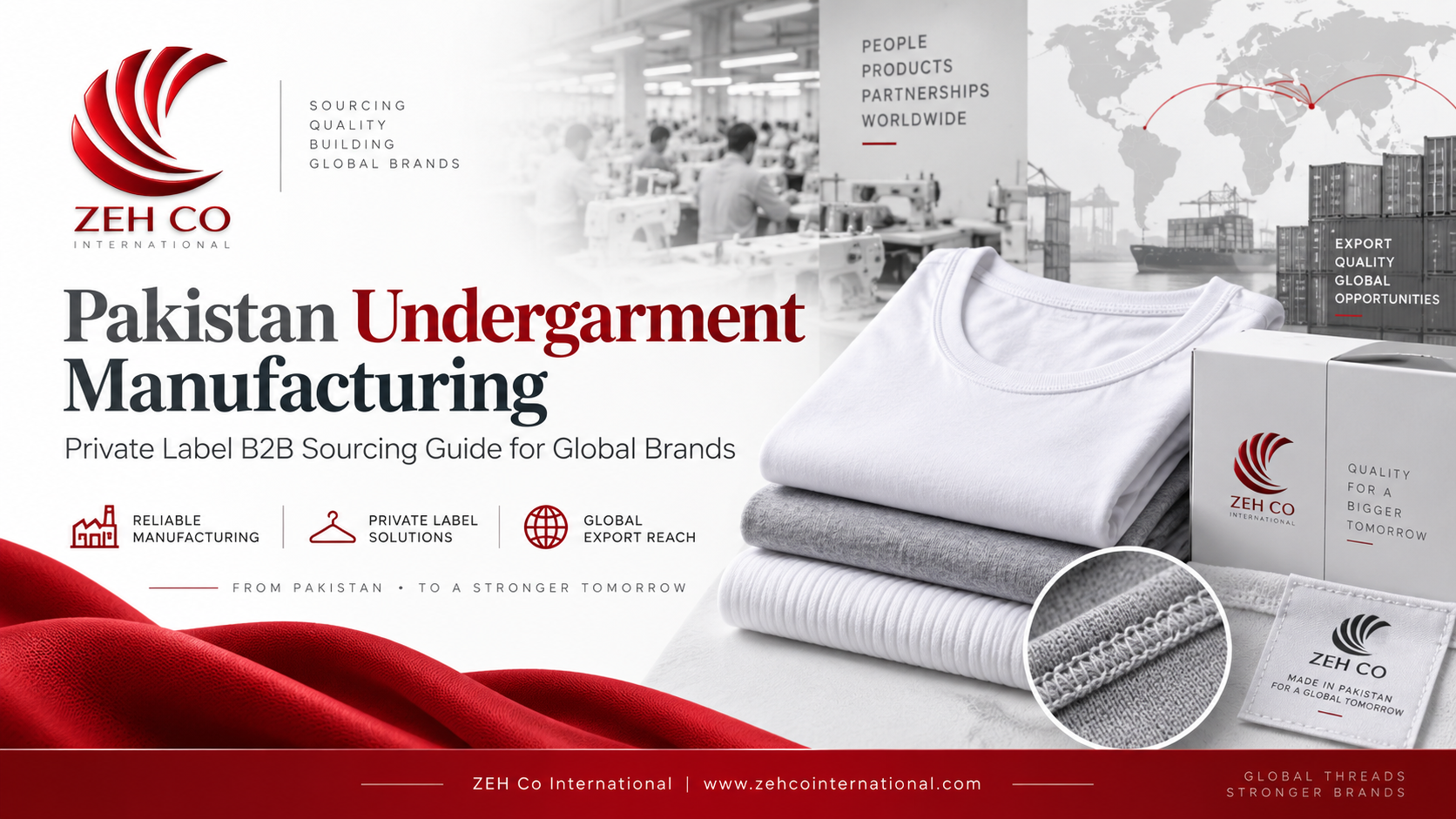
ZEH Co is a Pakistan-based B2B export company established in 2011, supporting international importers, wholesalers, procurement teams, and private label brands. Our apparel sourcing services can help buyers develop trousers, joggers, uniforms, workwear, and other clothing products according to their required specifications.
With export support for buyers in more than 100 countries, ZEH Co focuses on product coordination, supplier communication, quality expectations, packaging, and international shipment planning. Buyers can discuss fabric choices, designs, branding, sample requirements, order quantities, and delivery destinations before placing an order.
Conclusion
Pakistan trousers manufacturing gives international buyers access to flexible OEM production, private label customization, competitive textile sourcing, and export-ready supply support. By approving detailed specifications, testing samples, inspecting quality, and selecting suitable shipping terms, brands and wholesalers can build a dependable trousers supply chain from Pakistan. Contact ZEH Co to discuss your custom trousers requirements and develop a quotation for your target market.
\