Fresh green chilli export Pakistan is becoming an important sourcing category for international importers that need spicy, fresh, and competitively priced vegetables for retail chains, wholesale markets, food service suppliers, and ethnic grocery distributors. Pakistan’s climate, farming base, and access to Gulf, Asian, and European trade routes make it a strong origin for buyers looking for regular fresh chilli shipments with flexible packing and shipping options.
Fresh Green Chilli Export Pakistan: Why Importers Choose This Product
Fresh green chilli is a high-demand vegetable because it is used daily in South Asian, Middle Eastern, African, and Asian cuisines. Importers prefer suppliers who can provide consistent color, firmness, pungency, size grading, and shelf life because the product is usually sold quickly in wholesale markets and supermarkets. Pakistan has an advantage because green chilli is cultivated in multiple regions, allowing exporters to plan supply across different harvest windows and respond to seasonal demand from overseas buyers.
For B2B buyers, the main value of Pakistani green chilli is the balance between price, freshness, and availability. Buyers in the UAE, Qatar, Oman, Saudi Arabia, Bahrain, Kuwait, the UK, Germany, and other markets often require fresh vegetables that can move quickly by air or sea depending on delivery urgency. Green chilli can be supplied as part of a mixed vegetable shipment or as a dedicated wholesale order for importers who distribute to fresh produce markets.
Understanding Buyer Requirements for Fresh Green Chilli
International buyers do not purchase green chilli only by weight. They evaluate the product by appearance, freshness, packaging strength, shelf life, residue expectations, and market suitability. A shipment that looks acceptable at origin can lose value if it is not properly sorted, ventilated, packed, and temperature managed. This is why a professional exporter must understand both farm-level quality and destination-market handling requirements.
Key Quality Factors
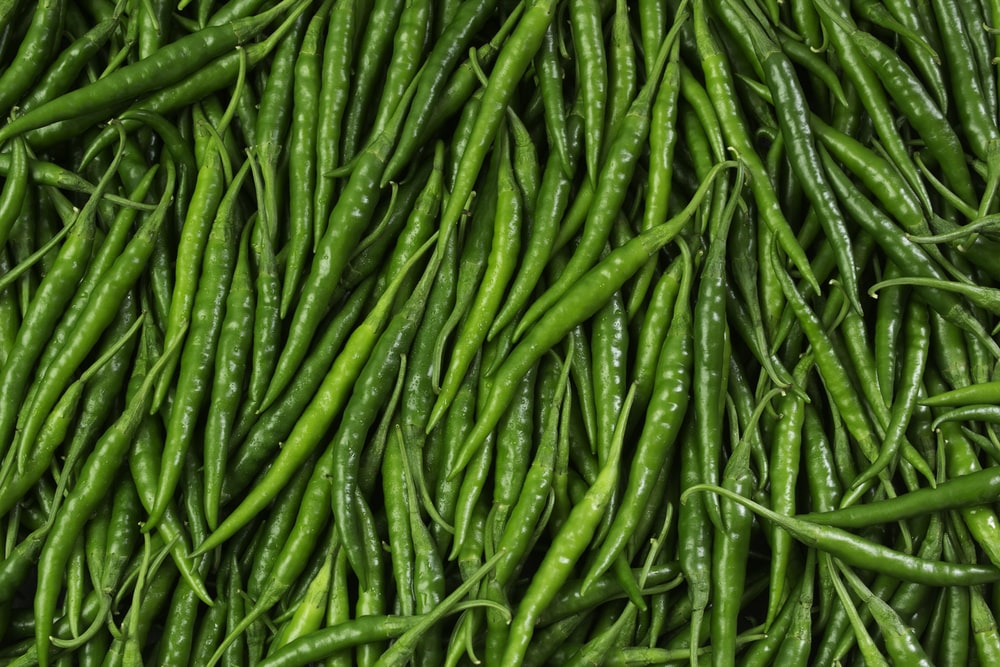
Before confirming an order, importers usually define the required quality standard. Important factors include uniform green color, natural shine, firm texture, clean surface, absence of decay, proper maturity, and minimal broken or shriveled pods. Buyers may also ask for specific length, thickness, or pungency depending on whether the chilli is intended for retail sale, wholesale market distribution, restaurant supply, or food processing.
- Color: Bright to deep green, depending on buyer preference and variety.
- Freshness: Firm pods with no soft spots, mold, or excessive moisture.
- Sorting: Removal of damaged, yellow, over-mature, or broken chillies.
- Size: Consistent length and thickness for better presentation and pricing.
- Packaging: Ventilated cartons or buyer-specific packing to reduce heat buildup.
Seasonality and Sourcing from Pakistan
Pakistan’s vegetable-growing areas allow exporters to source green chilli from different production zones during the year. This helps buyers maintain continuity, especially when supply becomes expensive or limited in other origins. However, green chilli remains a sensitive fresh product, so the best sourcing plan depends on weather, harvest timing, farm condition, and transit method.
Importers should confirm availability before booking large programs because fresh produce prices and volumes can change due to rain, heat, local demand, and freight conditions. A reliable exporter does not simply quote a price; the exporter checks current field supply, expected quality, packing availability, and flight or container options before confirming a shipment schedule.
Packing Options for Wholesale Green Chilli Shipments
Packing is one of the most important parts of fresh green chilli export because the product needs ventilation and careful handling. Poor packing can cause sweating, softness, discoloration, and faster spoilage. For air shipments, buyers usually prefer strong cartons with proper ventilation and manageable weights for fast handling. For sea shipments, packaging must support longer transit and cold chain requirements.
Common B2B Packing Preferences
Wholesale buyers may request 2 kg, 3 kg, 4 kg, 5 kg, or 6 kg cartons depending on market standards and distribution style. Some importers prefer branded cartons for supermarket supply, while others prefer neutral export cartons for wholesale markets. The correct packing should protect the chilli, support airflow, and meet the buyer’s local handling practice.
- Air cargo cartons: Suitable for urgent delivery and premium freshness requirements.
- Ventilated export cartons: Help reduce moisture buildup during transit.
- Custom buyer branding: Useful for distributors supplying retail or supermarket channels.
- Mixed vegetable loading: Possible when green chilli is shipped with compatible fresh produce.
Cold Chain and Transit Planning
Green chilli must be handled carefully after harvest because temperature abuse can reduce shelf life and market value. The product should be kept away from excessive heat, direct sunlight, and rough handling. Exporters should coordinate harvesting, sorting, packing, pre-shipment staging, and transport so the product reaches the airport or seaport in good condition.
Air freight is often used when the buyer needs faster delivery and higher freshness. Sea freight may be possible for selected programs where transit time, temperature control, and packing are suitable. The best option depends on buyer country, order volume, target price, and expected shelf life after arrival. For Gulf countries, air shipment can be useful for quick market delivery, while larger programs may evaluate refrigerated logistics if the route and product condition support it.
Documentation and Compliance for Importers
B2B buyers should confirm documentation requirements before placing the order because each destination market may have different rules for fresh vegetable imports. Common export documents can include commercial invoice, packing list, certificate of origin, phytosanitary certificate, airway bill or bill of lading, and any additional buyer-requested documents. Some buyers also request photos, packing videos, or pre-shipment inspection details before dispatch.
For fresh produce, phytosanitary compliance is especially important because customs and plant protection authorities may inspect shipments at arrival. Importers should share their destination requirements clearly, including labeling language, carton marking, certificate format, and any special declarations needed for clearance. Early communication reduces delays and helps prevent avoidable documentation issues.
How Importers Should Evaluate a Green Chilli Supplier
Choosing the lowest price is not always the best approach for fresh chilli imports. A weak supplier may save a small amount at purchase but create bigger losses through poor sorting, weak packing, shipment delays, or inconsistent quality. Importers should evaluate whether the exporter understands export-grade produce, cold chain discipline, documentation, and international buyer communication.
Buyer Checklist Before Confirming an Order
- Product specification: Confirm size, color, variety preference, and acceptable tolerance.
- Packing standard: Confirm carton weight, ventilation, branding, and labeling.
- Shipment method: Choose air, sea, FOB, CIF, or DDP based on destination needs.
- Quality proof: Request fresh photos or videos before final dispatch.
- Documentation: Confirm phytosanitary and customs requirements early.
- Payment and schedule: Align order confirmation with harvest and freight booking.
ZEH Co Fresh Green Chilli Export Support
ZEH Co is a Pakistan-based B2B export company established in 2011, supporting international buyers with fresh produce and other Pakistani export products. For fresh green chilli, the company can assist importers with sourcing, sorting, packing coordination, shipment planning, and export documentation according to buyer requirements. With experience in wholesale export markets, ZEH Co understands that buyers need clear communication, realistic shipment planning, and quality-focused supply.
The company offers flexible trade terms including FOB Karachi, CIF, and DDP where applicable, helping buyers select the most suitable import structure. ZEH Co also works across multiple product categories, which is useful for buyers who want to combine green chilli with other fresh vegetables such as bitter gourd, bottle gourd, okra, eggplant, capsicum, onions, potatoes, or mixed fresh vegetable shipments.
Best Markets for Pakistani Fresh Green Chilli
Pakistani green chilli has strong potential in countries with active South Asian, Middle Eastern, and ethnic food consumption. Gulf markets are especially important because of high demand for fresh cooking ingredients and shorter transit times from Pakistan. European and UK buyers may also source Pakistani chilli for ethnic grocery networks, wholesale produce markets, and restaurant supply chains when quality, compliance, and logistics are properly managed.
Importers serving supermarkets should focus on uniform grading, clean presentation, and branded packaging. Buyers serving wholesale markets may prioritize competitive price, freshness, and fast movement. Food service distributors often need reliable supply and practical carton sizes that are easy to handle. Understanding the final sales channel helps the exporter prepare the right product specification from the beginning.
Conclusion: Source Fresh Green Chilli from Pakistan with Confidence
Fresh green chilli export Pakistan offers strong opportunities for international importers who need fresh, flavorful, and competitively sourced vegetables from a reliable origin. The key to successful importing is not only finding the product but also controlling sorting, packing, cold chain, documentation, and shipment timing. ZEH Co helps wholesale buyers and procurement teams source Pakistani fresh green chilli with export-focused handling, flexible shipping terms, and professional B2B communication for global markets.