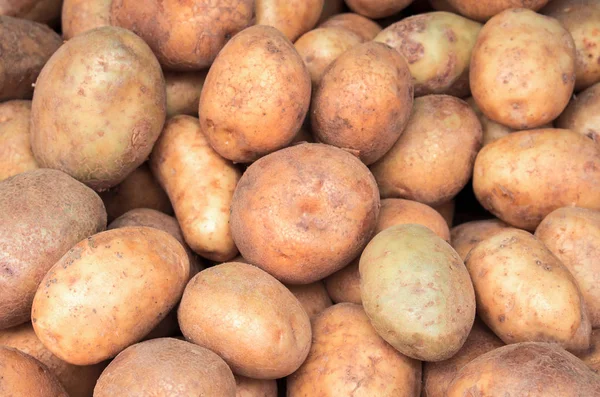
Fresh potatoes from Pakistan are increasingly requested by international importers, wholesale distributors, food service suppliers, supermarkets, and processing companies looking for reliable seasonal supply at competitive prices. Pakistan’s potato crop benefits from fertile agricultural regions, experienced growers, and access to major export routes through Karachi. For B2B buyers, the key to successful potato importing is not only price, but also consistent grading, proper curing, strong packaging, careful container loading, and transparent documentation.
ZEH Co works with international buyers who require wholesale export solutions from Pakistan, including fresh produce shipped under FOB Karachi, CIF, and DDP terms where available. As a Pakistan-based exporter established in 2011, ZEH Co understands that procurement managers need practical information before placing repeat bulk orders. This guide explains what importers should check before sourcing Pakistani potatoes, including quality standards, packing options, seasonality, logistics, and commercial considerations.
Why Import Fresh Potatoes from Pakistan?
Pakistan is one of South Asia’s important potato-producing countries, with supply available for local consumption, regional trade, and export markets. For importers, the main attraction is the balance between quality and cost. Pakistani potatoes can be suitable for wholesale vegetable markets, retail packing, food service distribution, and certain processing uses depending on variety, dry matter, size, and post-harvest handling.
Another advantage is Pakistan’s geographic export position. Shipments can move by sea from Karachi to the Middle East, Southeast Asia, Europe, and other international destinations. For nearby markets such as UAE and Gulf countries, transit time can be favorable compared with more distant origins. For buyers in countries such as Russia, Turkey, Vietnam, South Korea, the UK, Germany, Italy, China, and the USA, Pakistani potatoes may offer seasonal opportunities when buyers need alternative sourcing windows or competitive bulk supply.
Key Commercial Uses for Pakistani Fresh Potatoes
Before confirming an order, buyers should define the intended use of the potatoes. The best grade for one buyer may not be suitable for another. A fresh market importer may need visually clean, uniform tubers with strong skin finish, while a processor may prioritize dry matter, sugar level, size consistency, and frying performance.
Wholesale Fresh Market Distribution
For wholesale markets, buyers usually prefer potatoes that are firm, clean, mature, and packed in strong mesh or jute bags. Visual appearance matters because traders often resell the product quickly to retailers, restaurants, and regional distributors. A consistent size range helps reduce disputes and improves resale value in destination markets.
Retail and Supermarket Supply
Retail buyers may need better sorting, more uniform sizing, cleaner skin, and stronger packaging presentation. Depending on the market, potatoes may be repacked after arrival into smaller consumer packs. Importers serving supermarkets should confirm size range, defect tolerance, washing requirements, and labeling needs before shipment.
Food Service and Processing
Restaurants, catering suppliers, frozen food processors, and snack manufacturers may require potatoes for boiling, baking, frying, chips, or fries. These buyers should discuss variety suitability, dry matter, sugar level, and storage history before purchase. Not every fresh potato shipment is suitable for processing, so technical requirements should be shared clearly at the inquiry stage.
Quality Factors Importers Should Check
Quality control is one of the most important parts of potato export. Potatoes are living agricultural products, so defects can increase if the crop is harvested, stored, packed, or transported incorrectly. B2B buyers should request clear quality expectations in the proforma invoice and should confirm inspection requirements before loading.
- Firmness: Potatoes should be firm and mature, not soft, shriveled, or excessively damaged.
- Skin condition: Properly cured skin reduces peeling, bruising, and moisture loss during transport.
- Size consistency: Common export sizing may be agreed by millimeter range or buyer specification.
- External defects: Buyers should check tolerance for cuts, cracks, greening, scab, rot, sprouting, and insect damage.
- Cleanliness: Soil level should match destination requirements, especially for markets with strict plant health rules.
- Variety suitability: The selected variety should match fresh market, cooking, or processing use.
For high-value buyers, pre-shipment photos, loading videos, third-party inspection, and sample-based confirmation can reduce risk. ZEH Co can coordinate order specifications so that packing, grade, and documentation match the buyer’s destination requirements as closely as possible.
Seasonality and Supply Planning
Seasonality is critical when importing potatoes. Pakistani potato availability can vary by crop cycle, region, weather, local demand, and storage conditions. Importers should avoid waiting until the last moment to book large volumes because pricing and quality can change quickly during peak demand periods.
For regular buyers, it is better to share estimated monthly volume, preferred size range, packing type, and destination port in advance. This allows exporters to plan sourcing, reserve supply, and arrange inspection before shipment. Buyers who require continuous supply should also consider whether they need fresh crop potatoes, stored potatoes, or a mixed sourcing plan depending on the month of purchase.
Packing Options for Fresh Potato Export
Packaging affects product protection, ventilation, handling, and buyer presentation. The right packaging depends on destination market, container type, handling method, and final sales channel. Weak packaging can lead to tearing, pressure damage, and claims at destination, especially when bags are handled multiple times during unloading and market distribution.
- Mesh bags: Common for ventilation and wholesale handling, often used for fresh produce markets.
- Jute bags: Suitable for bulk vegetable trade where buyers prefer traditional breathable packing.
- PP bags: Durable and widely used, depending on buyer and destination requirements.
- Customized weight: Common options may include 5 kg, 10 kg, 20 kg, 25 kg, or 50 kg depending on market demand.
- Private label packing: Available when buyers require branding, provided artwork and order volume are confirmed.
Each bag should be filled according to agreed net weight, and labeling should match commercial documents where required. For regulated destinations, labeling may need product name, origin, exporter details, importer details, batch or lot information, and phytosanitary references.
Cold Chain, Ventilation, and Container Loading
Potatoes are not as delicate as some fruits, but they still require careful handling. Excess heat, poor ventilation, rough loading, moisture accumulation, and long delays can affect shelf life. For sea shipments, container selection and loading method should be planned according to transit time and buyer requirements.
Some destinations may accept dry container shipments for short transit or suitable seasonal conditions, while other routes may require reefer containers to manage temperature and product stability. Buyers should discuss temperature settings, ventilation, pre-cooling requirements, and expected transit time before booking. Good airflow and proper bag stacking help reduce the risk of sweating, condensation, and pressure damage.
Export Documents International Buyers Commonly Need
Documentation requirements depend on the destination country, buyer type, and customs regulations. Importers should confirm all requirements before shipment so the exporter can prepare documents correctly. Missing or incorrect documents can cause customs delays, demurrage, penalties, or product quality loss at the port.
- Commercial invoice with buyer, seller, product, quantity, price, and payment terms.
- Packing list showing bag count, net weight, gross weight, and packing details.
- Bill of lading or airway bill depending on shipment method.
- Phytosanitary certificate where required for fresh agricultural imports.
- Certificate of origin if requested by buyer or destination customs.
- Inspection certificate if required by contract, bank, or buyer policy.
ZEH Co supports international buyers by coordinating export documentation according to agreed terms. Buyers should also verify import permits, plant quarantine rules, labeling regulations, and customs duties in their own country before confirming the order.
How Buyers Can Reduce Risk When Importing Potatoes
The best potato import programs are built on clear specifications. A buyer should never rely only on the word “fresh potatoes” because quality expectations can differ from market to market. A strong inquiry should include destination port, required quantity, size range, packing weight, preferred bag type, target shipment date, payment method, inspection requirement, and whether the potatoes are for fresh market or processing.
Buyers should also ask for recent crop photos, packing photos, and loading confirmation. For first shipments, it may be wise to start with a trial container or smaller order before scaling to repeated monthly supply. Once both sides agree on grade, packing, and documentation, repeat shipments become easier to manage.
Why Work with ZEH Co for Potato Export from Pakistan?
ZEH Co is a Pakistan-based B2B export company established in 2011, serving international importers, wholesalers, and procurement teams across multiple product categories. The company supplies export products from Pakistan to buyers in more than 100 countries and works with shipping terms such as FOB Karachi, CIF, and DDP where available and practical.
For fresh produce buyers, ZEH Co focuses on practical export coordination: sourcing from suitable regions, confirming buyer specifications, arranging packing, preparing documentation, and supporting shipment planning. The company’s ISO 9001:2015 and ISO 22000 certifications also help buyers work with a supplier that understands quality management and food safety expectations in international trade.
Conclusion: Sourcing Fresh Potatoes from Pakistan
Fresh potatoes from Pakistan can be a strong sourcing option for international buyers who need competitive wholesale supply, seasonal availability, and flexible export solutions. The most successful importers focus on clear specifications, suitable packing, reliable documentation, and careful logistics planning before shipment.
Whether you are a wholesale market importer, supermarket distributor, food service supplier, or procurement manager, ZEH Co can help you evaluate Pakistani potato export options based on your quantity, destination, packing needs, and shipping terms. For bulk inquiries, buyers should share their required size range, order volume, destination port, and preferred delivery terms so the export offer can be prepared accurately.