Pakistan's clothing export industry entered the final quarter of 2026 with renewed attention from international buyers. A successful apparel sourcing program, however, depends on more than national export figures: fabric quality, repeatable specifications, commercial terms and quality control all matter.
2026 export data: what importers should know
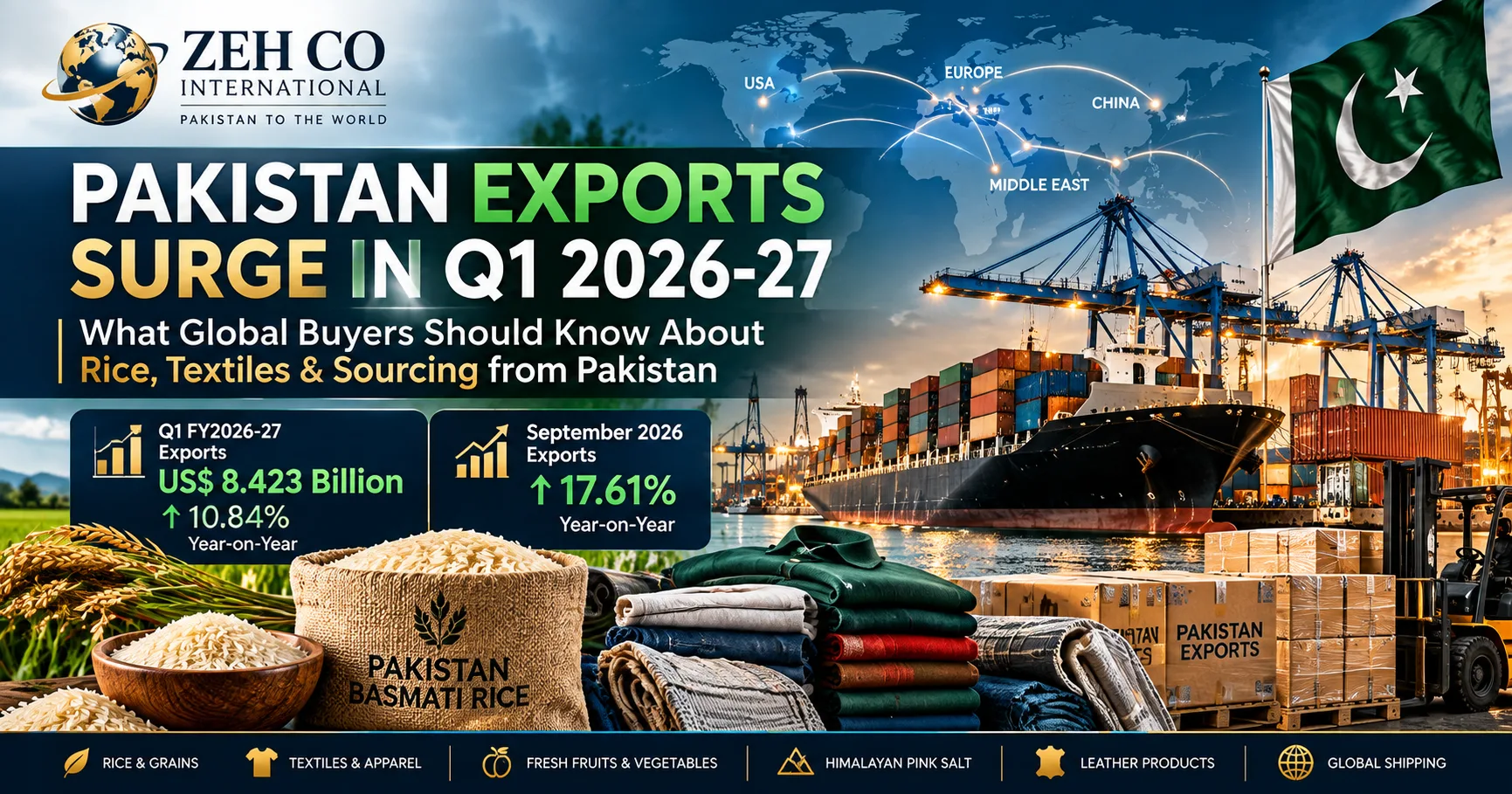
Figures reported by the Pakistan Bureau of Statistics and Associated Press of Pakistan indicate textile exports of approximately US$3.379 billion in July–August 2026, an increase of 5.55% from the same period of 2025. Reported ready-made garment export value rose 13.59%. Separately, Radio Pakistan reported an increase in Pakistan's total goods exports during September 2026. These are economy-wide figures, not guarantees of any supplier's capacity, price or performance.
Popular clothing categories sourced from Pakistan
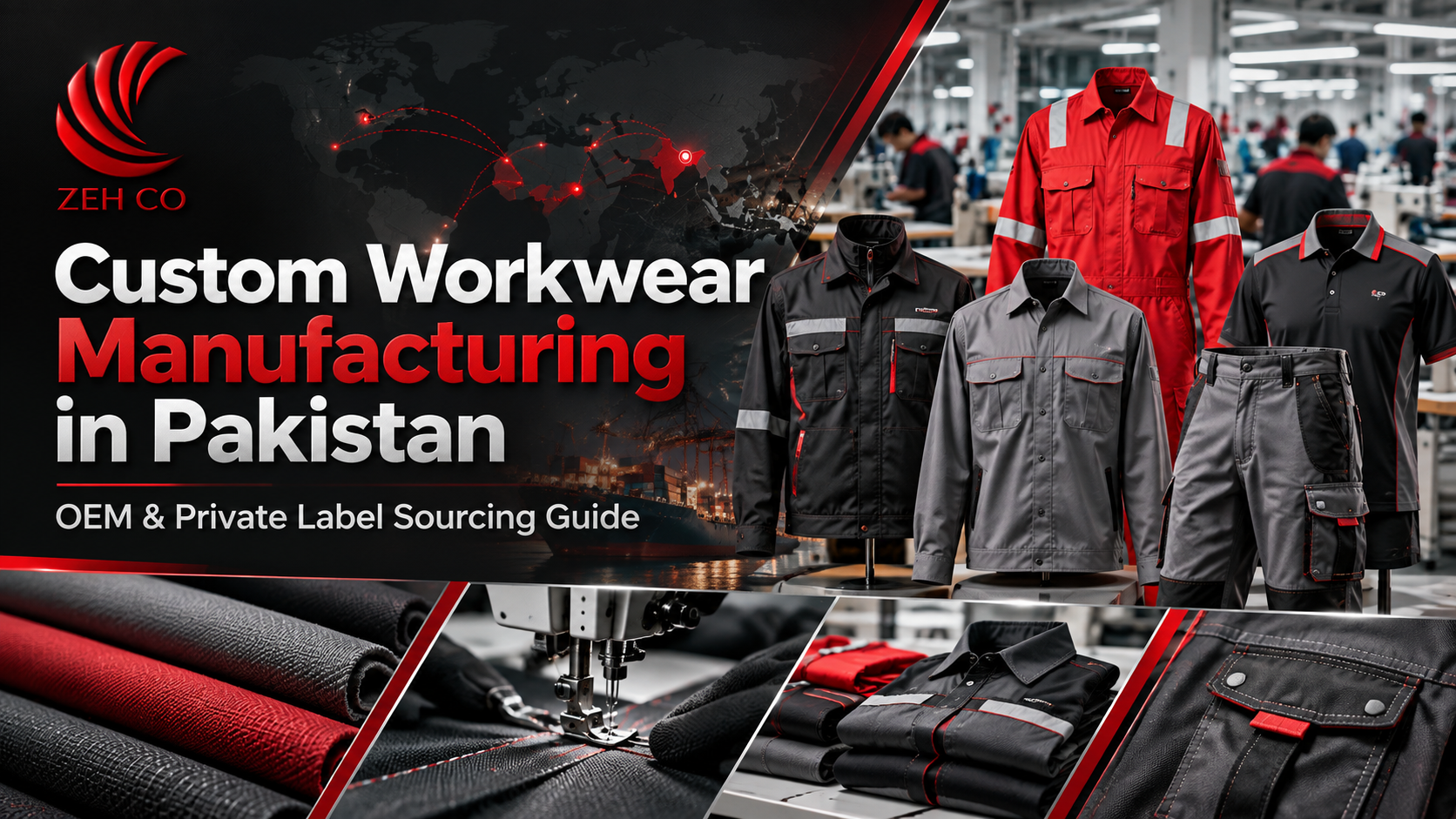
Buyers commonly request cotton and cotton-blend T-shirts, fleece hoodies, sweatshirts, jogging trousers, shorts, workwear basics, caps, uniforms and other cut-and-sew garments. Manufacturing feasibility and minimum quantities depend on materials, construction, customization and production capacity.
Start with a technical pack
Specify fiber composition, fabric construction and GSM, dimensions and grading, approved colors, shrinkage tolerances, seam requirements, labels, trims, decoration, packaging and destination. A hoodie specification should distinguish brushed fleece from French terry and explain whether embroidery or printing is required. Approve a physical pre-production sample against the written specifications.
OEM, private-label and unbranded wholesale orders
Private-label importers should confirm the rights to use logos, names and artwork. Agree in advance on neck and care labels, hangtags, carton labels and packaging. For unbranded goods, obtain written confirmation that the seller has the legal right to supply them and that they are not counterfeit or unlawfully diverted merchandise.
Quality checks before shipment
Confirm the acceptance criteria, fabric and shade consistency, measurements, seam strength, print and embroidery quality, carton quantities and final packing. Consider independent pre-shipment inspection for larger orders. Address sampling charges, rework responsibility and product testing in the purchase terms.
FOB, CIF and landed cost
An FOB price and a CIF price allocate different shipping responsibilities under the applicable Incoterms rules. They do not necessarily cover all destination charges, duties, customs clearance or inland delivery. Request the named port, shipping documents, transit expectations, carton weights and dimensions, quotation validity and payment terms. Have your freight and customs advisers calculate the landed cost.
Market compliance and labeling
UK, EU, US and other buyers should verify destination-specific fiber-content labeling, country-of-origin declarations, chemical and product safety rules, classification and import duties. Children's apparel may have additional requirements. Confirm testing and origin evidence where appropriate.
Seven questions for your supplier
- Can you produce to our tech pack and approved sample?
- What is your MOQ per style, color and size?
- Which fabric and GSM options are available?
- How are custom labels, artwork and packing managed?
- What are the sample and bulk production timelines?
- Which inspections and tests are supported?
- Which exact Incoterm, named destination and payment terms apply?
Work with ZEH Co International
ZEH Co International, based in Lahore, Pakistan, supports B2B customers exploring textile, clothing and leather sourcing. Send your garment type, specification, quantity, destination and preferred shipping terms for a quotation assessment. Production timelines, availability and prices are confirmed for each enquiry.
Contact: info@zehcointernational.com | www.zehcointernational.com